
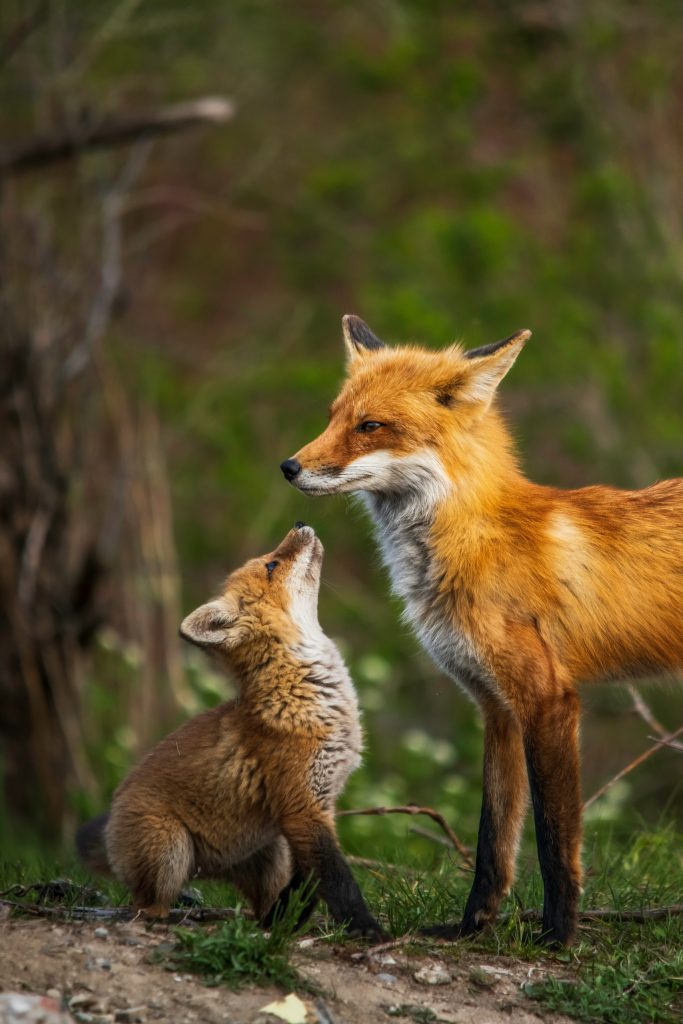
New Research Shows Strong Public Support for State Fur Bans in the Northeast
The Animal-Human Policy Center conducted research on public attitudes toward banning the sale of fur in four Northeastern states—Connecticut, Massachusetts, New Jersey, and New York. Our findings reveal a clear trend: a majority of residents support legislation to end the sale of new clothing and other products made with fur from animals raised on commercial fur farms, most commonly mink and fox.
When survey results were weighted to reflect state demographics, 59–61% of respondents supported fur bans even without any background information. After learning more about the animal welfare, environmental, and public health impacts of fur farming—as well as the growing public concern over fur—support rose to over 64% across the region.
Why It Matters
Fur farming poses serious risks:
- Animal welfare: Mink and fox are kept in cramped, barren wire-mesh cages for their entire lives, deprived of enrichment and natural behaviors, then killed using inhumane methods such as electrocution to preserve their pelts.
- Environmental harm: Fur farms contribute to greenhouse gas emissions, spread invasive species, pollute waterways, and use toxic chemicals in processing.
- Public health concerns: Crowded confinement increases the risk of zoonotic diseases, with at least 18 documented pathogens linked to fur farms.
What Works in Changing Minds
Our study tested six different types of messages about fur farming. The most effective—particularly among politically independent voters—focused on:
- The cruelty of fur farming
- Its environmental and public health consequences
- The growing social consensus against fur
Messages about international economics and faux fur alternatives were far less persuasive.
State Snapshots
Support for banning the sale of fur from farmed animals was consistent across the four states surveyed:
- Massachusetts: 66% support (weighted)
- Connecticut: 65% support (weighted)
- New York: 64% support (weighted)
- New Jersey: 64% support (weighted)
Moving Forward
Our research highlights a receptive public environment for fur ban legislation in the Northeast. Advocates can build momentum by:
- Targeting independent voters who are most responsive to messages
- Prioritizing animal welfare, environmental, and public health framing
- Correcting misconceptions that fur farms are already well-regulated
Conclusion: Northeastern residents care deeply about ending the cruelty and risks of fur farming—especially for mink and fox—and with effective messaging, support for legislative action can grow even stronger.
For more information, contact:
Dr. Rebecca Niemiec – rebecca.niemiec@colostate.edu
Documents available here:
Full Report on Public Perspectives Towards Fur Farms: https://drive.google.com/file/d/1KYuLF4w8m-1S2csZ6TziFQCinQuP0Woe/view?usp=drive_link
Communications Guide on Fur Farming: https://drive.google.com/file/d/1NQFH5OAS8WfOuQvNUiUNO1hvXATI_o7T/view?usp=sharing
State of Massachusetts Policy Brief on Fur Farming: https://drive.google.com/file/d/1_cSTFoJloOBKnpGZBPk8uZn6CGo_JsJQ/view?usp=sharing
State of New Jersey Policy Brief on Fur Farming: https://drive.google.com/file/d/1CoD0art6A2xCw-5PaEyW0-2F4lpalqLx/view?usp=sharing
State of New York Policy Brief on Fur Farming: https://drive.google.com/file/d/10OHlmN1LHk6eMK0uOsCGlyVf_SXFVTT7/view?usp=sharing
State of Connecticut Policy Brief Fur Farming: https://drive.google.com/file/d/1WZftBdKpaGchbyEpej3GGaq9A0V9asFI/view?usp=sharing
