


WOLF RESTORATION IN COLORADO
Overview
The restoration of wolves to Colorado presents complex challenges for livestock producers, rural communities, wildlife managers, and the broader public. CHCC works to reduce both conflict between people and wolves and social conflict among people with different values and perspectives.
Our Work
We integrate ecological and social science, education, community engagement, and conflict-reduction strategies. Our work includes wolf ecology and management, public attitudes and social conflict, economic analyses, public education, and collaboration with livestock producers to reduce livestock losses.
Impact
Our goal is to support informed decision-making, reduce conflict with and about wolves, support sustainable ranching livelihoods, and improve outcomes for people, livestock, and wolves.
Project Leads: Stewart Breck, Kevin Crooks, Mireille Gonzalez, Dana Hoag, Becky Niemiec, Veronica Yovovich
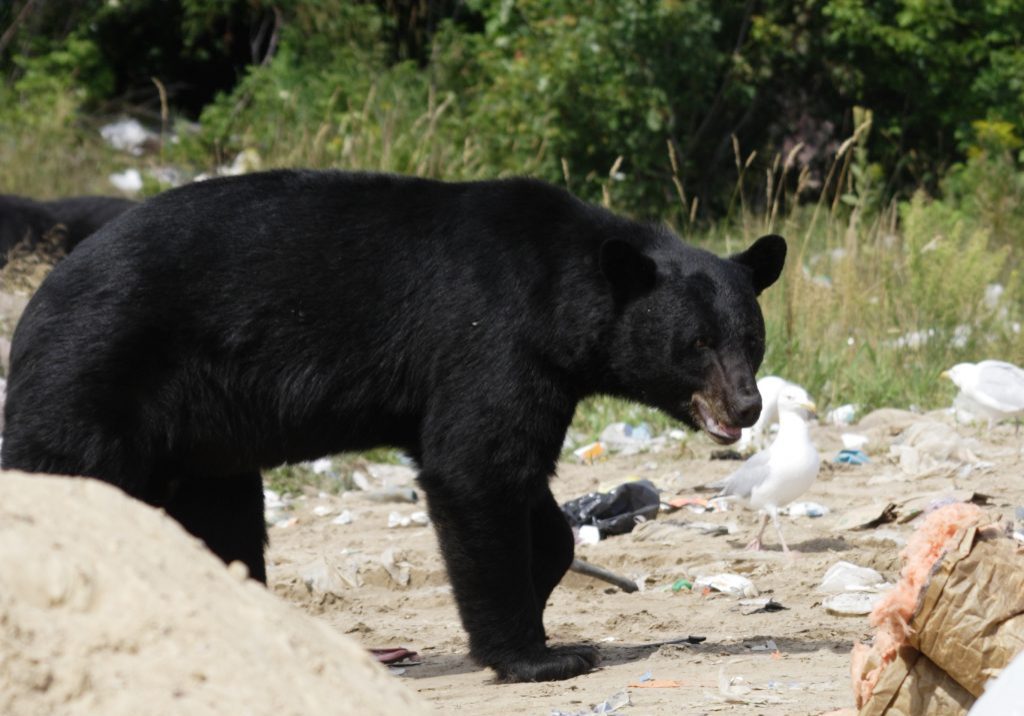
URBAN BLACK BEAR CONFLICT
Overview
Colorado supports a robust black bear population alongside a growing human population in mountain communities. Bears are highly adaptable and often enter towns to access garbage and other human-provided foods, increasing conflict with people and mortality risk for bears.
Our Work
We examine the cultural, policy, and financial barriers that prevent communities from reducing garbage and other attractants. Our work focuses on identifying why effective bear-aware practices can be difficult to implement and how communities can overcome those barriers.
Impact
Our goal is to identify practical strategies that reduce human-provided attractants, lower conflict, and improve outcomes for both people and bears across Colorado communities.
Project Leads: Stewart Breck, Kevin Crooks, Mireille Gonzalez, Courtney Schultz, Tara Teel, Cassandre Venumière-Lefebvre, Veronica Yovovich

COLORADO WOLVERINE REINTRODUCTION
Overview
Wolverines were extirpated from Colorado by the early 1900s due to trapping and poisoning. In 2024, the state passed legislation authorizing Colorado Parks and Wildlife to pursue their reintroduction, and as with other carnivore restorations, how the public understands and responds to this effort will help determine whether it succeeds.
Our Work
In collaboration with Defenders of Wildlife and in coordination with Colorado Parks and Wildlife, we are conducting outreach and education with Coloradans about wolverine restoration, and conducting human dimensions research to understand the social feasibility of reintroduction. We use public testimony, educational events, and surveys to understand how people perceive wolverines and to build informed, lasting public support for their return.
Impact
Our goal is to help our partners engage the public effectively throughout wolverine restoration, building public trust and understanding while informing how future carnivore reintroductions in Colorado are planned and communicated.
Project Lead: Mireille Gonzalez
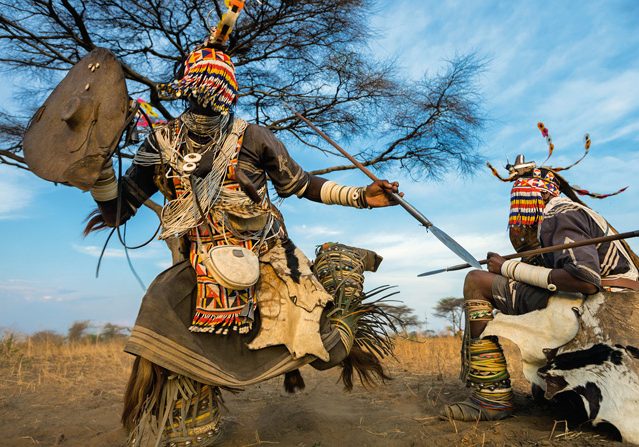
LION-LIVESTOCK COEXISTENCE AND CARNIVORE TOLERANCE IN TANZANIA
Overview
Communities surrounding the Ruaha–Rungwa ecosystem in eastern Tanzania live alongside one of Africa’s largest lion populations. Lions and other carnivores sometimes kill livestock, creating economic costs and increasing the risk of retaliatory killing. People’s responses vary across communities and cultural groups.
Our Work
We study how human migration, social norms, cultural differences, livestock losses, and conservation interventions shape tolerance for lions and other carnivores. The project examines both long-term changes in community attitudes and immediate responses to livestock predation.
Impact
Our goal is to better understand the social and economic factors that influence human tolerance of carnivores and to use that knowledge to support more effective coexistence strategies for people, livestock, and large carnivores.
Project Lead: Jon Salerno

CARNIVORE-HUMAN INTERACTIONS IN SOUTH AFRICAN FOOD WEBS
Overview
Human activity can alter how wildlife use space and interact with one another. In South Africa, tourism and other forms of human presence may influence the behavior of large carnivores, smaller predators, and their prey across entire food webs.
Our Work
We examine how human presence shapes predator-prey interactions and the behavior of carnivores across multiple trophic levels. Using camera-trap data and other ecological information, we assess how wildlife respond to people and how those responses ripple through animal communities.
Impact
Our goal is to improve understanding of how human activity influences carnivore behavior and food-web interactions, helping inform management of protected areas and other landscapes where people and wildlife coexist.
Project Lead: Sara Bombaci
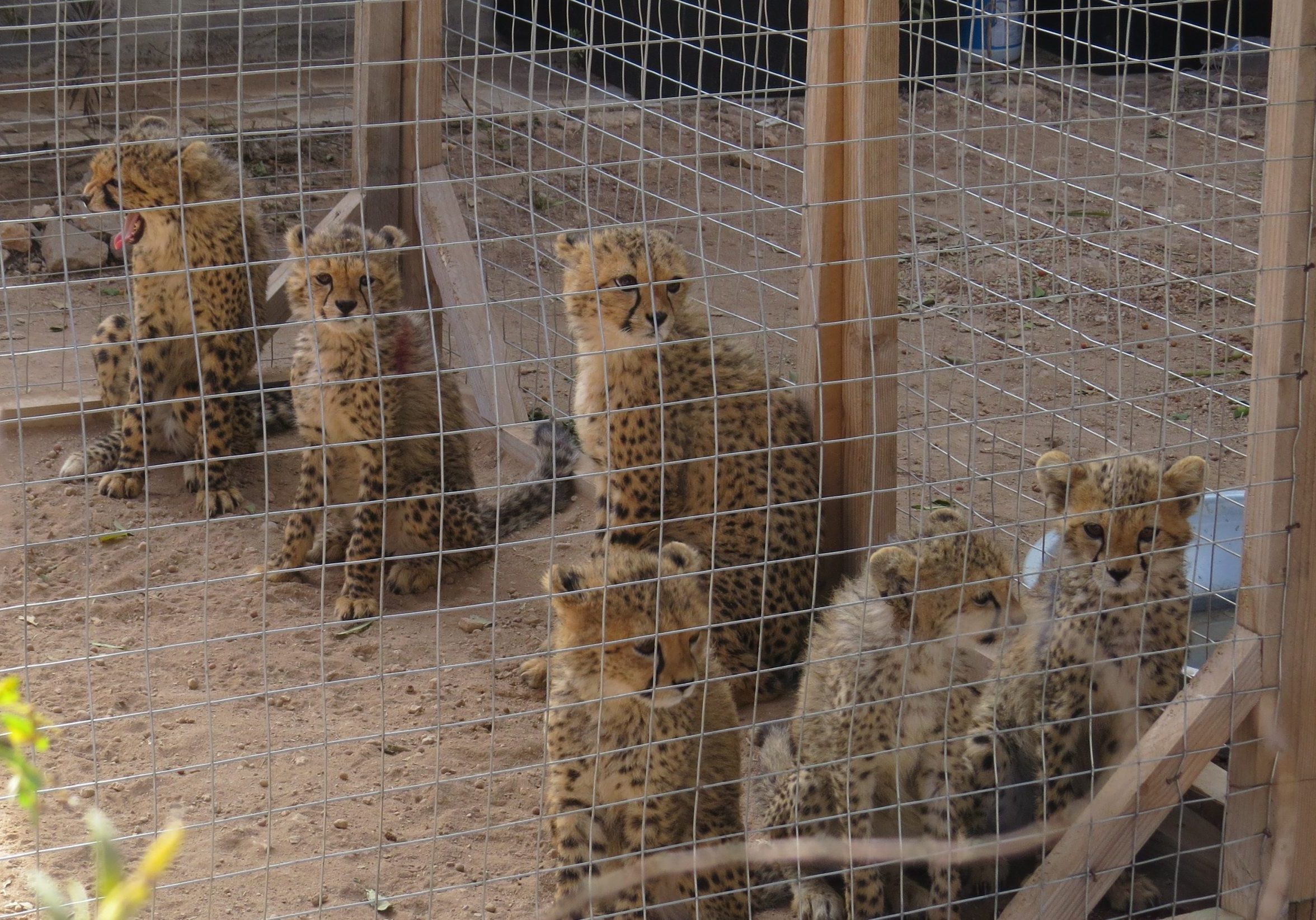
COMBATTING ILLEGAL CHEETAH TRAFFICKING
Overview
Illegal trafficking of cheetah cubs is a significant conservation threat in the Horn of Africa. Understanding where trafficked cheetahs originate—and the social, economic, and ecological factors that drive poaching and trade—is essential for reducing the problem.
Our Work
We work with communities, government agencies, and conservation organizations across the region to identify and monitor wild cheetah populations, strengthen local conservation capacity, study the human drivers of trafficking, and develop targeted outreach and conflict-reduction strategies.
Impact
Our goal is to improve knowledge of wild cheetah populations, strengthen regional conservation capacity, reduce human-wildlife conflict, and help curb illegal cheetah trafficking.
Project Lead: Paul Evangelista

TIGER AND LEOPARD COEXISTENCE IN A TRANSBOUNDARY LANDSCAPE OF INDIA AND NEPAL
Overview
Along the border of India and Nepal, tigers and leopards share the Terai Arc Landscape with dense human populations, agriculture, livestock, and expanding infrastructure. Conflict can involve livestock losses, attacks on people, and retaliatory killing of carnivores.
Our Work
We combine camera trapping, conflict monitoring, social science, and landscape modeling to examine carnivore populations, human tolerance, livelihoods, conservation benefits, and management practices across the region.
Impact
Our goal is to identify the ecological and social factors that reduce conflict, improve human safety, strengthen local capacity, and support coexistence with tigers and leopards while ensuring human safety and sustaining livelihoods.
Project Leads: Ashish Bista, Kevin Crooks, Barry Noon, Jon Salerno
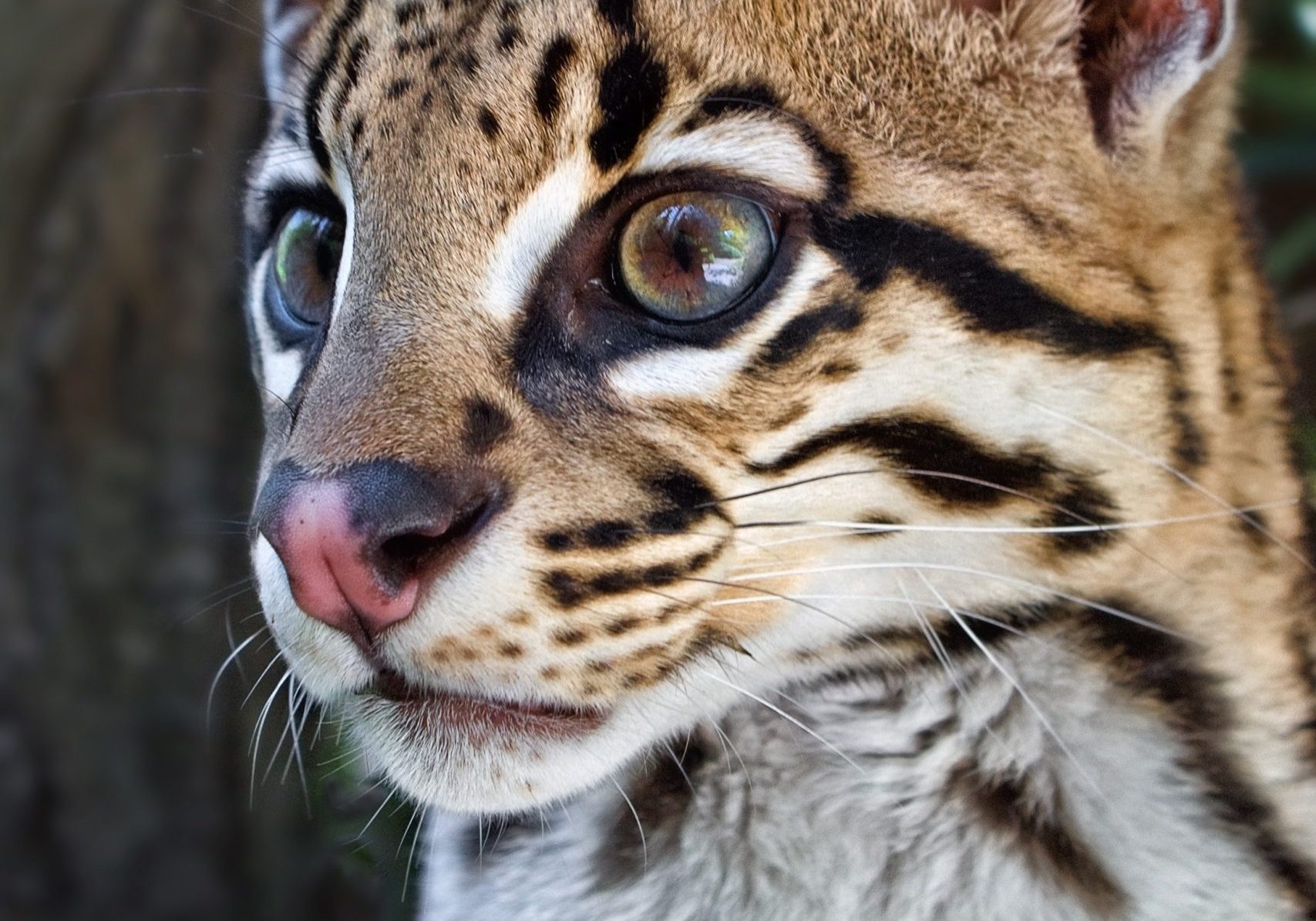
COMMUNITY-BASED LAND STEWARDSHIP AND CARNIVORE CONSERVATION IN GUATEMALA
Overview
Community-managed lands in southwestern Guatemala support important biodiversity while also sustaining local livelihoods. Indigenous and community land stewardship can play a critical role in conserving carnivores and other wildlife outside formally protected areas.
Our Work
We work with local communities and conservation partners to understand how land-management practices, governance, and social factors influence carnivore diversity and habitat use. The project compares community-managed lands with state-protected areas and examines how different stewardship approaches support biodiversity.
Impact
Our goal is to identify land-stewardship practices that benefit carnivores and other wildlife while supporting local communities, strengthening conservation planning, and reinforcing community rights and management capacity.
Project Lead: Sara Bombaci
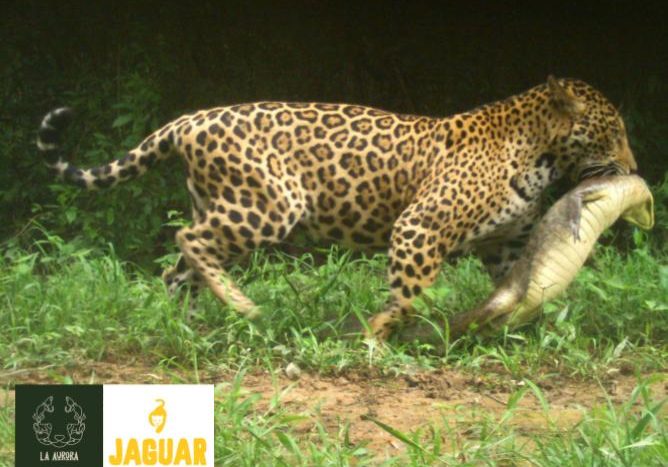
JAGUAR AND PUMA COEXISTENCE ON COLOMBIAN RANCHLANDS
Overview
Jaguars and pumas share working landscapes with livestock producers in the Colombian Llanos. Livestock losses can create economic costs and increase the risk of retaliatory killing, making coexistence a challenge for both people and large carnivores.
Our Work
We combine camera trapping, community interviews, spatial analysis, and collaboration with ranchers and local organizations to understand carnivore populations, human attitudes, and the effectiveness of strategies intended to reduce livestock losses and conflict.
Impact
Our goal is to improve knowledge of jaguar and puma populations, strengthen local capacity, evaluate conflict-reduction strategies, and support coexistence between ranching communities and large carnivores.
Project Leads: Matt Hyde, Stewart Breck, Kevin Crooks

CARNIVORE COEXISTENCE IN THE BRAZILIAN CERRADO
Overview
The Cerrado in Central Brazil is a global biodiversity hotspot, but native vegetation is rapidly being converted to cattle pasture and commodity crops. As habitat shrinks, people and carnivores increasingly come into conflict through livestock losses, retaliatory killing, vehicle collisions, and disease transmission.
Our Work
Together with the Federal University of Catalão, we work with rural communities and local stakeholders to understand interactions and conflict with Jaguar, puma, and maned wolves and who needs to be involved in coexistence planning. We use community engagement, household interviews, and stakeholder analysis to build the trust and relationships that collaborative conservation depends on.
Impact
Our goal is to co-develop a regional coexistence and conservation action plan with local communities that reduces conflict and supports both carnivore conservation and rural livelihoods..
Project Lead: Mireille Gonzalez