
Research topics
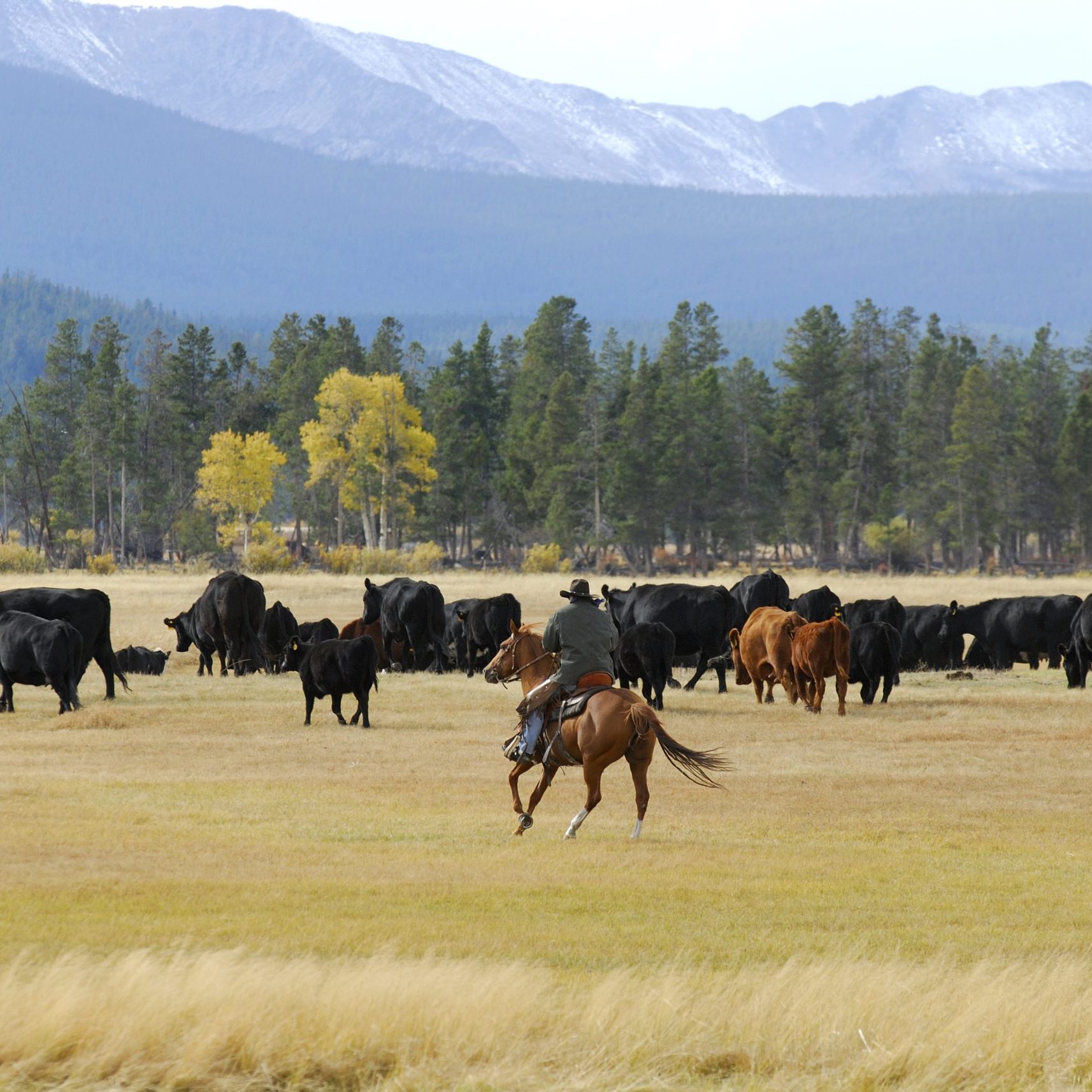
Human-wildlife conflict and coexistence
Context
A longstanding problem with biodiversity conservation is that benefits or successes like species protection or habitat restoration are accrued nonlocally (sitting at my desk in Fort Collins, I perceive value in the existence of elephants), while costs are felt locally (those elephants will likely eat people's maize just before harvest). Parks authorities, NGOs, and the farmers and livestock keepers themselves take different actions to reduce these costs. The actions have implications for communities and the environment, often through unclear pathways.
Research questions
How does human tolerance for wildlife shape coexistence across communities and landscapes?
How do social processes like bias and learning shape behavior that variably contributes to conflict and coexistence?
How can we understand human-wildlife interactions within complex systems in ways that inform better conservation practice?
Sites
Tanzania; Kavango-Zambezi, southern Africa; Colorado and the southern Rocky Mountains, USA
Climate and land change, human migration, and adaptation
Context
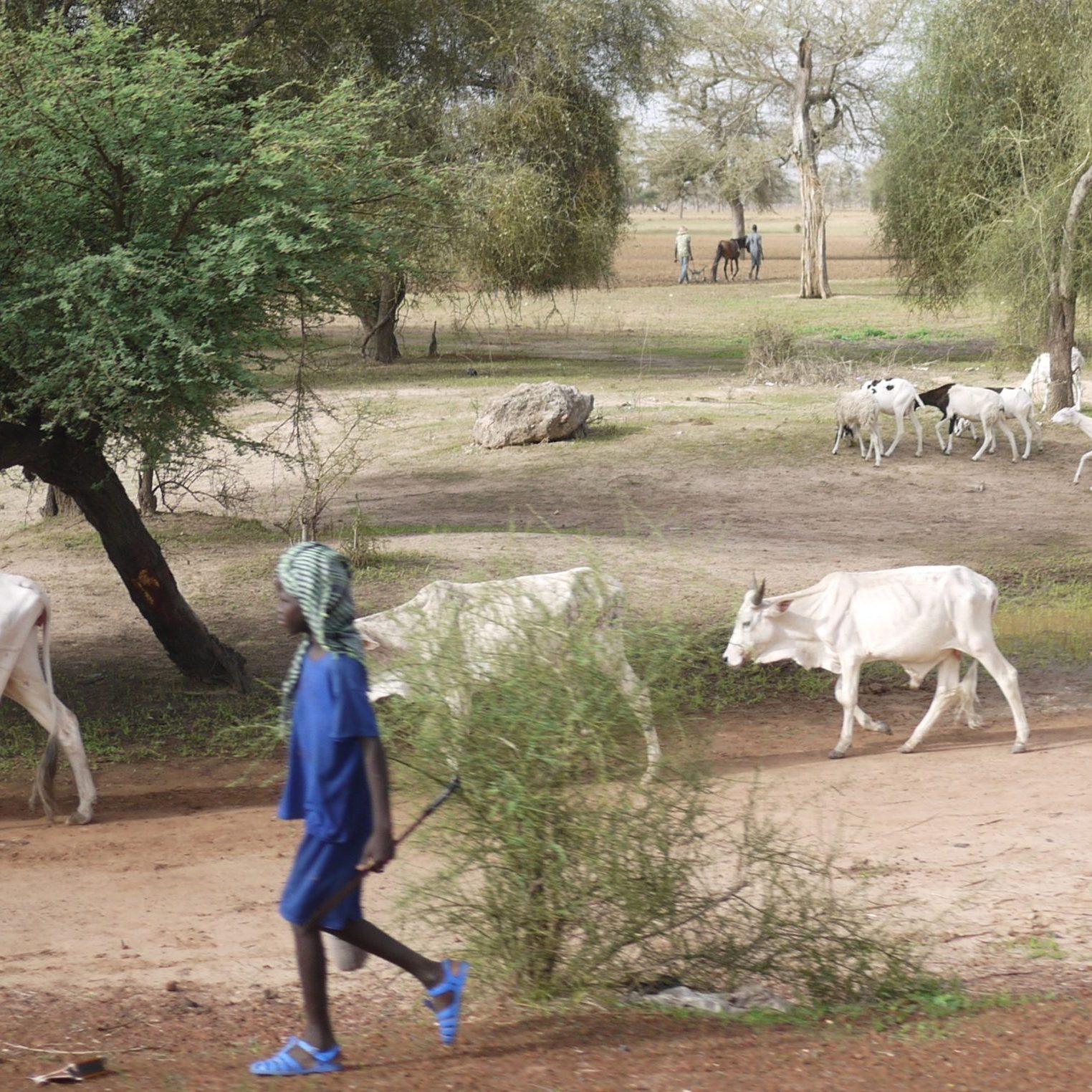
I've been interested in agropastoralist mobility in Tanzania for a long time, in particular the livelihoods of the Sukuma. Generalizing, Sukuma are hypermobile and hypersocial. And somewhat unique among migration systems, the vast majority of rural Sukuma are moving to frontier areas and not to cities. People's migration behaviors and subsequent livelihood decisions have implications for many important issues in Tanzania, both now and in the near future, like biodiversity loss, food security, and landscape planning.
Research questions
How do cooperative norms influence migration decision-making?
Using behavioral and biophysical data from recent decades, is it possible to build computational models that reasonably simulate migration responses?
How does migration near parks and protected areas impact biodiversity conservation and social norms of resident communities?
Sites
Tanzania
Climate observation & responses
Context
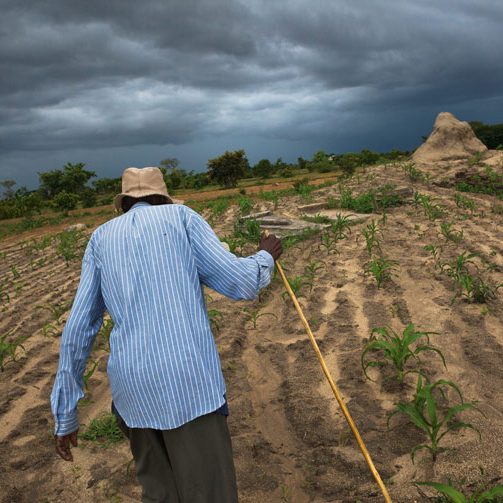
Farmers, livestock keepers, and rural resource users will increasingly need to adapt to climatic changes. In many areas, adaptive behaviors will be based on individual observations of climate combined with social learning from others (like from extension agents or prestigious neighbors). My work in this area asks questions about how people construct mental models of climate, and make subsequent decisions. And, in areas where scientific climate data are poor or nonexistent, farmers may be able to augment scientific data and inform better understanding of climate controls, like we're finding in western Uganda.
Research questions
How do farmers construct mental models of climate and climatic change?
How are recent climate changes (~last few decades) impacting livelihoods and resource use decisions?
Can farmers inform ground-based rainfall station measures and satellite-based rainfall estimates to improve understanding of regional climate controls?
Sites
Western Uganda
Cooperation, collaboration, and land management institutions
Context
Environmental management typically represents cooperation dilemmas, where group-beneficial positive outcomes (e.g., sustainable forests and wildlife populations) require individually costly behaviors (e.g., stinting on fuelwood and bushmeat harvest). The lab's interests here involve collaboratively managed resources, where users are the ones responsible for governance of their resources. We focus on the rules and norms in a population that can incentivize individuals to make decisions to conserve resources and participate in collaborative governance, and how those institutions will persist or fail.
Research questions
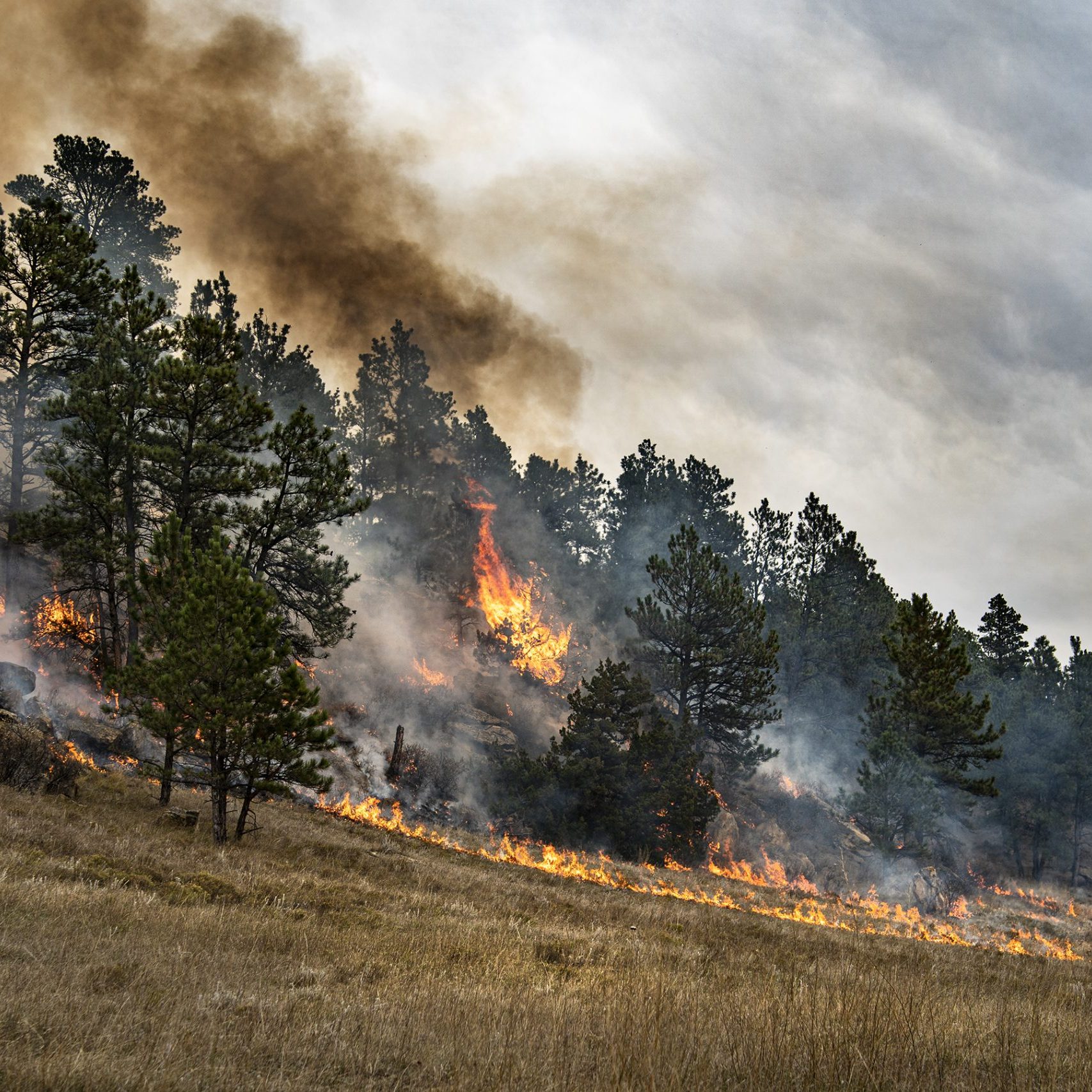
How do actors form relationships, share information, and take action to reduce risk in complex governance settings like wildfire-prone landscapes?
How does individual- and group-level learning emerge and shape outcomes in informal governance contexts?
What predicts social-ecological fit in hazard-prone environments, and how does fit or misfit variably shape management outcomes?
Sites
Western U.S., Tanzania, western Uganda