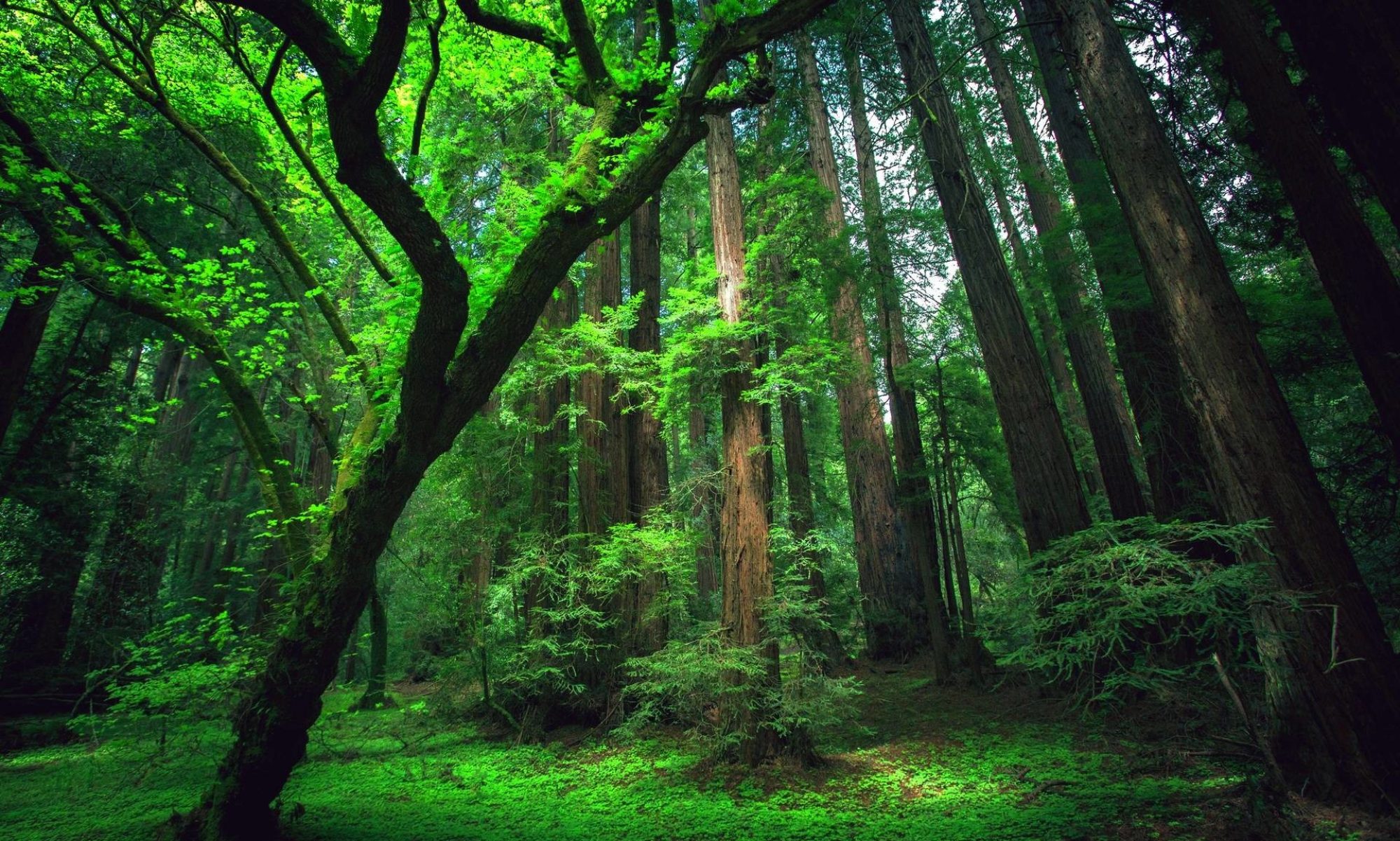
Lab Mission: The Cavaliere Critical Conservation lab’s mission is to advance biocultural conservation research by centering subjugated intersectional knowledges. By employing critical ecofeminist and posthumanist methodologies, the research engages affective, sensory, aesthetic, and emotional dimensions of place‑based knowledge. The lab seeks to illuminate the nuances of biocultural identities to strengthen justice, ecological resilience, and regenerative human–nature relationships for wellbeing.
Dr. Cavaliere’s Lab is housed in the Warner College of Natural Resources within the department of Human Dimensions of Natural Resources at Colorado State University.
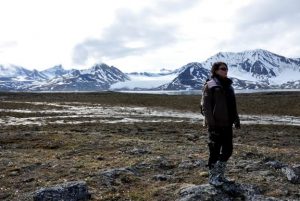
Dr. Cavaliere leads a climate change training in Svalbard.
The heart of the Cavaliere Critical Conservation lab is the pedagogical relationships and research opportunities Dr. Cavaliere provides graduate students at CSU and other international universities. Dr. Cavaliere is passionate about teaching critical thinking skills to support students in furthering sustainability and conservation.
For current information about graduate student’s working with Dr. Cavaliere, please visit the Graduate Students page.
The Cavaliere Critical Conservation Lab hosts international and domestic visiting scholars to support innovative research.
Dr. Cavaliere has previously advised PhD students and instructed the Doctoral Tourism Planning course at ABAC PhD Program.
*Please note that rolling applications are accepted for self/externally funded PhD and Masters A/B students. Please submit the following information in an email to be considered for entrance to the lab. Indicate in the email that you have external funding and are not applying for a scholarship. Only students selected for interviews will be contacted. Thank you for your interest in The Cavaliere Critical Conservation Lab at CSU!
- Academic CV
- Academic writing sample: (thesis and/or a published article)
- Graduate Record Examination (GRE) results
- Unofficial bachelors & masters transcripts (PhD entrance requires a master’s degree)
- Cover letter (address how previous experience is related to lab mission)
- Research Proposal (address lab mission: 3-pages and APA citation list)
- Three letters of academic reference
- TOEFL scores (if applicable)
2027 SCHOLARSHIP APPLICATION OPEN
Ph.D. Graduate Teaching Assistantship
Colorado State University
Human Dimensions of Natural Resources
The Cavaliere Critical Conservation Research Lab
Dr. Christina T. Cavaliere is recruiting for a Graduate Teaching Assistantship to support a doctoral student starting August 2027. Dr. Cavaliere is a tenured Associate Professor, conservation social scientist and international sustainable stewardship specialist with a focus on tourism impacts and biocultural conservation. She directs The Cavaliere Critical Conservation research lab at Colorado State University in the department of Human Dimensions of Natural Resources (HDNR) housed within the Warner College of Natural Resources (WCNR).
The Cavaliere Critical Conservation lab’s mission is to advance biocultural conservation research by centering subjugated intersectional knowledges. By employing critical ecofeminist and posthumanist methodologies, the research engages affective, sensory, aesthetic, and emotional dimensions of place‑based knowledge. The lab seeks to illuminate the nuances of biocultural identities to strengthen justice, ecological resilience, and regenerative human–nature relationships for wellbeing.
The successful PhD applicant for this position would work in the lab and pursue an independent research project related to Dr. Cavaliere’s research on tourism and biocultural conservation. The student should be interested in pursuing research in the lab that centers tourism, conservation, and intersectional power structures as related to protected areas, wildlife, equity, recreation, gender, climate change, sustainability, policy, and/or governance. See the lab’s blog for more information.
The PhD position would include annual tuition support and funding through a Graduate Teaching Assistantship within the department. The successful applicant will be offered support for the first year and then reviewed annually to determine future funding. The applicant must have previously obtained a master’s degree with a research thesis in an area related to tourism and conservation and have experience with qualitative and quantitative methodology.
Prospective students should email application materials to Dr. Cavaliere at christina.cavaliere@colostate.edu by 15 February 2027. To ensure full consideration please include separate PDFs of the following materials labeled using the numbers below. Only applicants selected for interviews will be contacted.
- Academic CV
- Academic writing sample: (thesis and/or a published article)
- Graduate Record Examination (GRE) results
- Unofficial bachelors & masters transcripts (master’s degree in related area required)
- Cover letter (address how previous experience is related to lab mission)
- Research Proposal (address lab mission: 3-pages and academic reference list)
- Three letters of academic reference
- TOEFL scores (if applicable)